Byline: Refeloe Letsoisa
25 February 2026
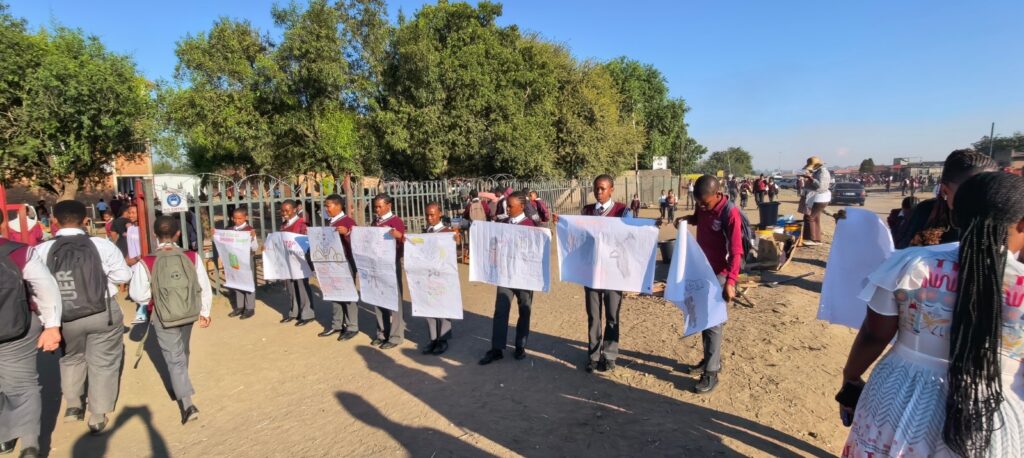
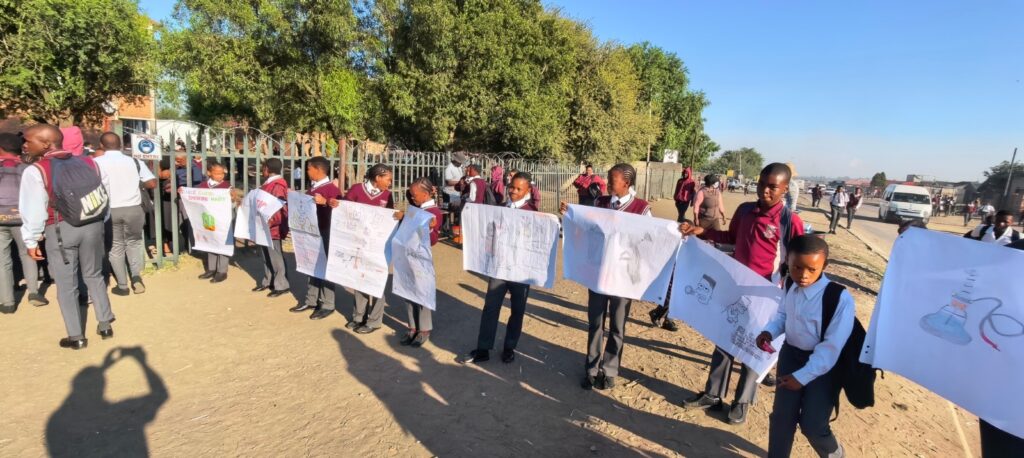
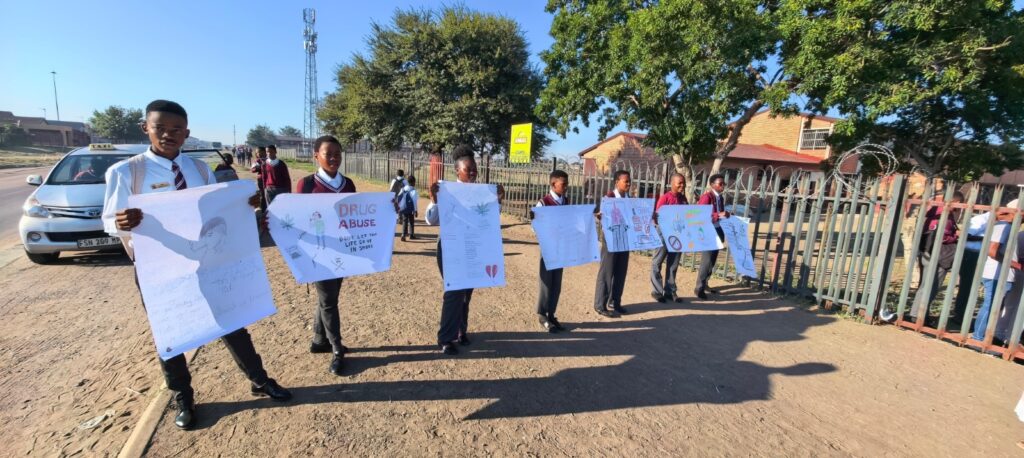
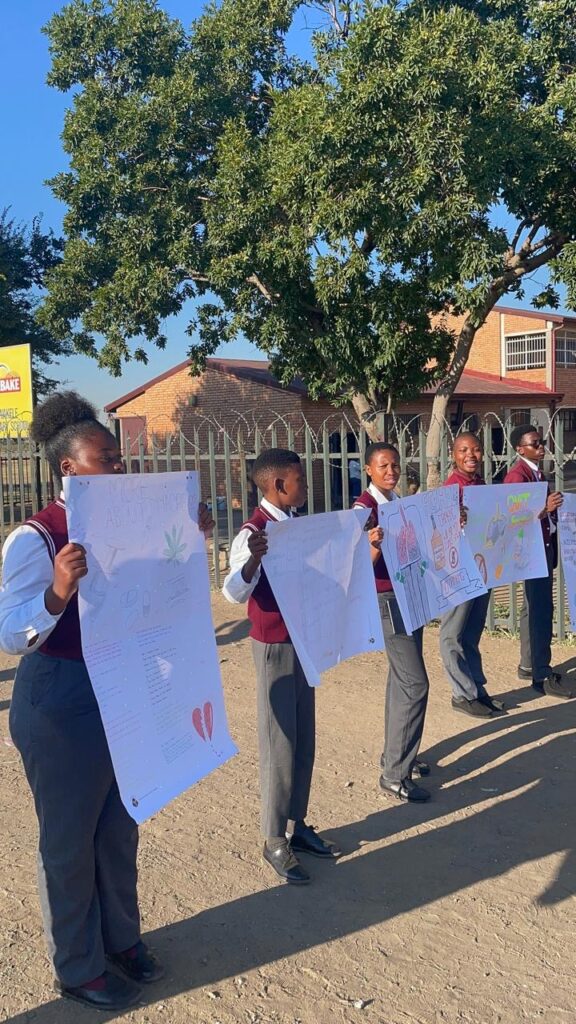
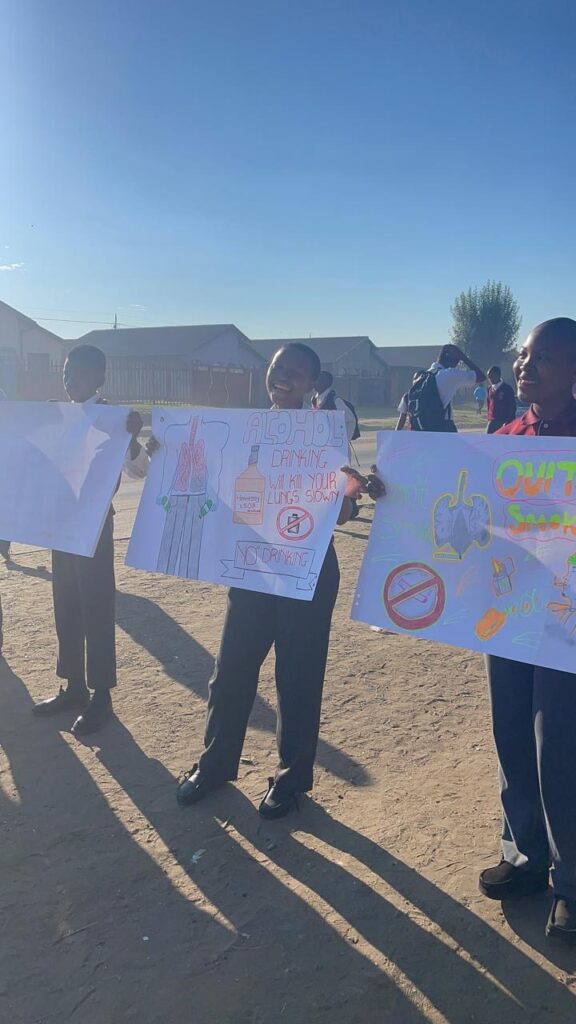
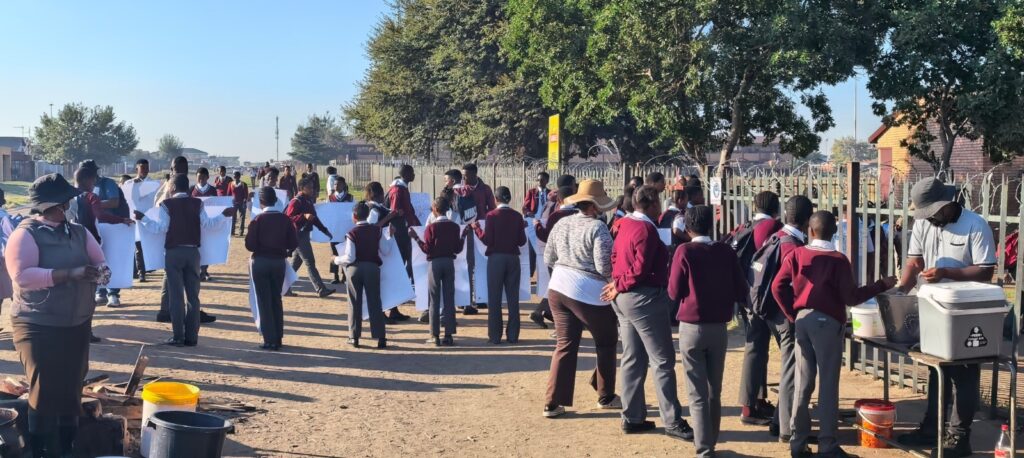
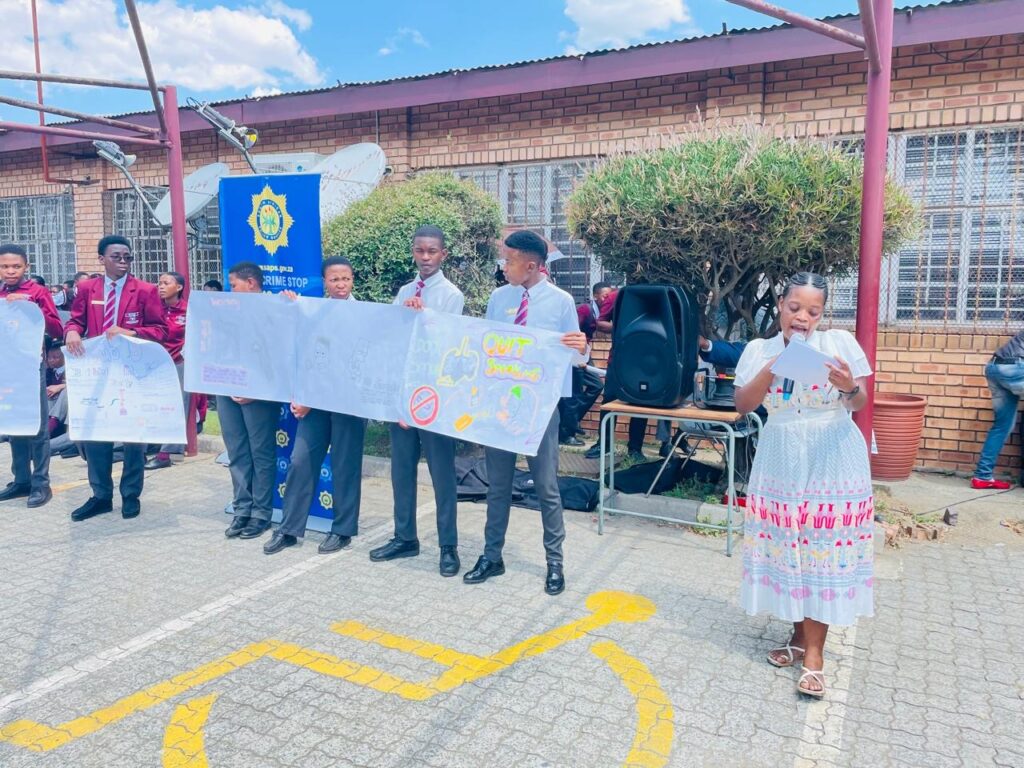
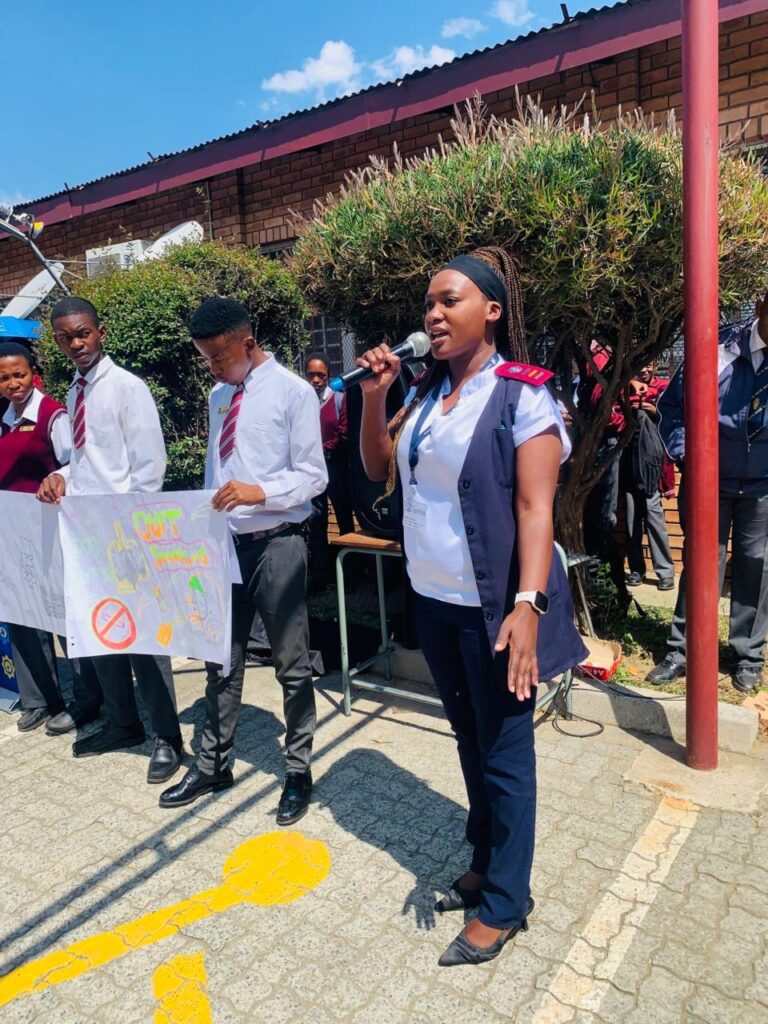
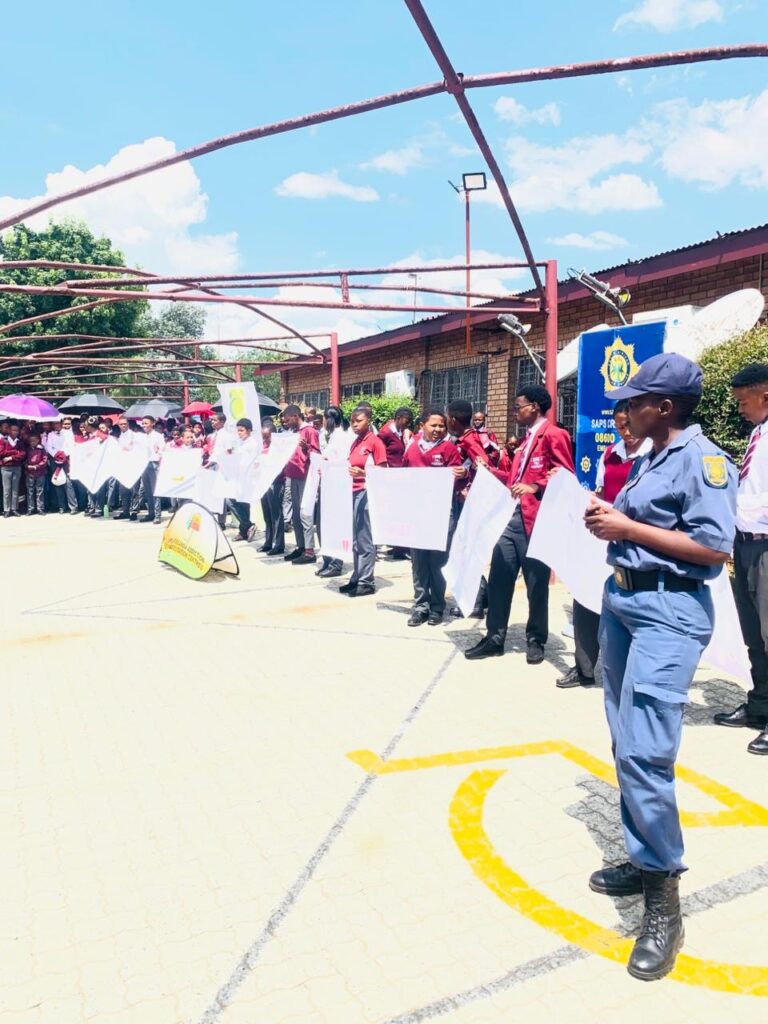
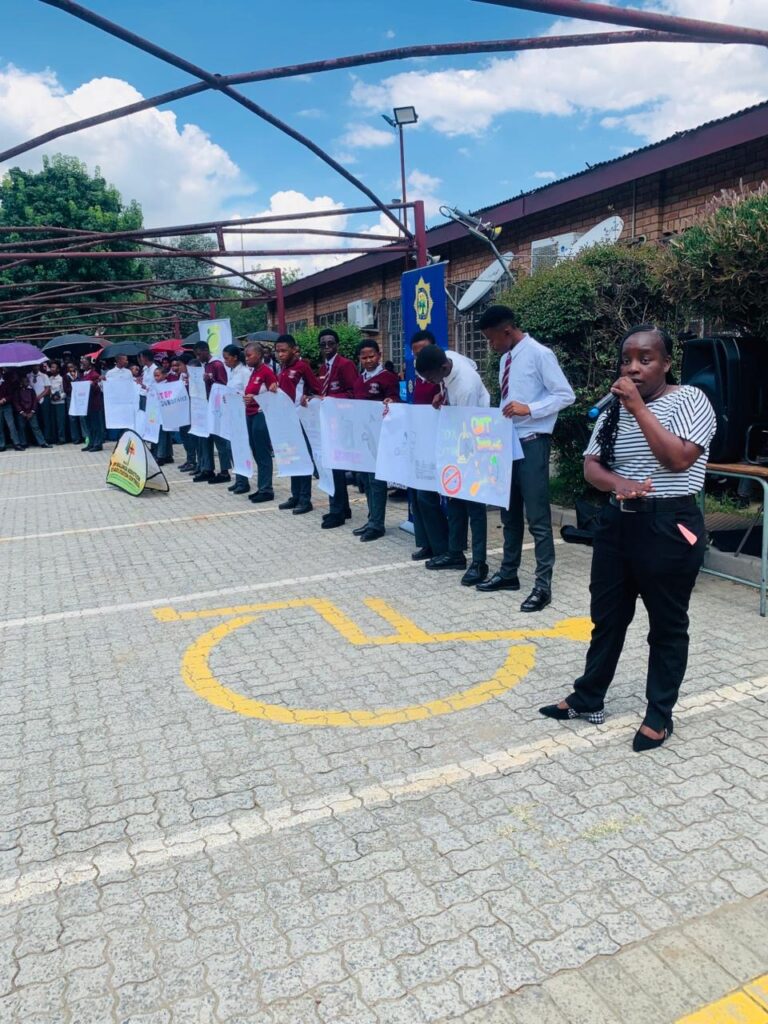
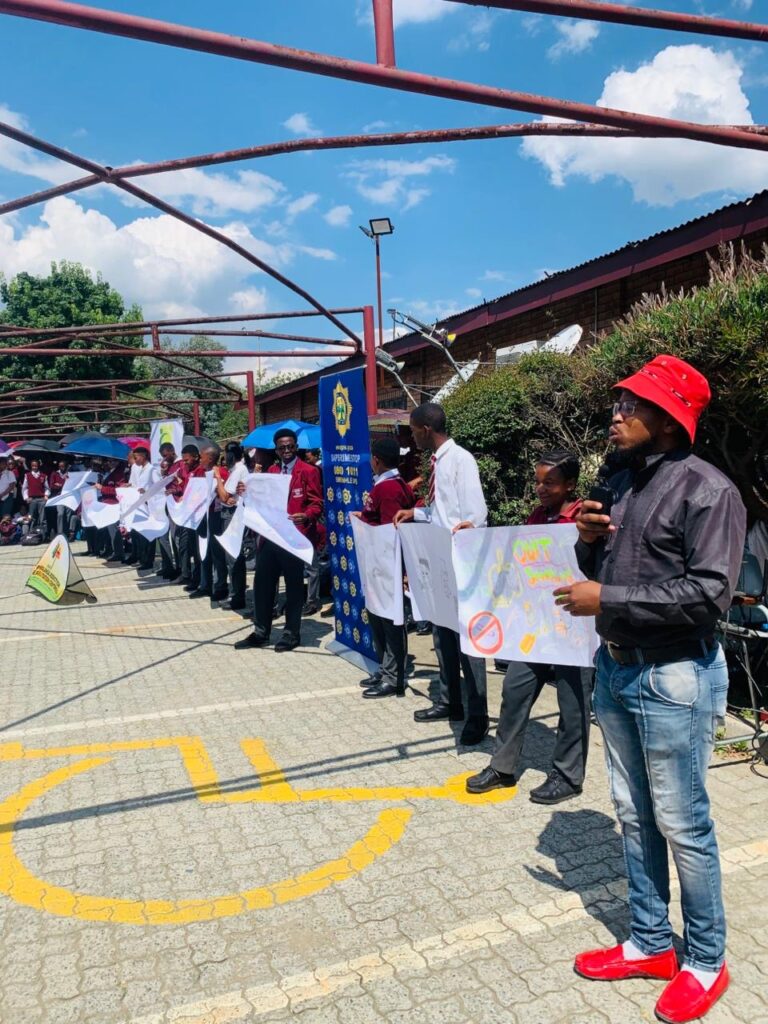
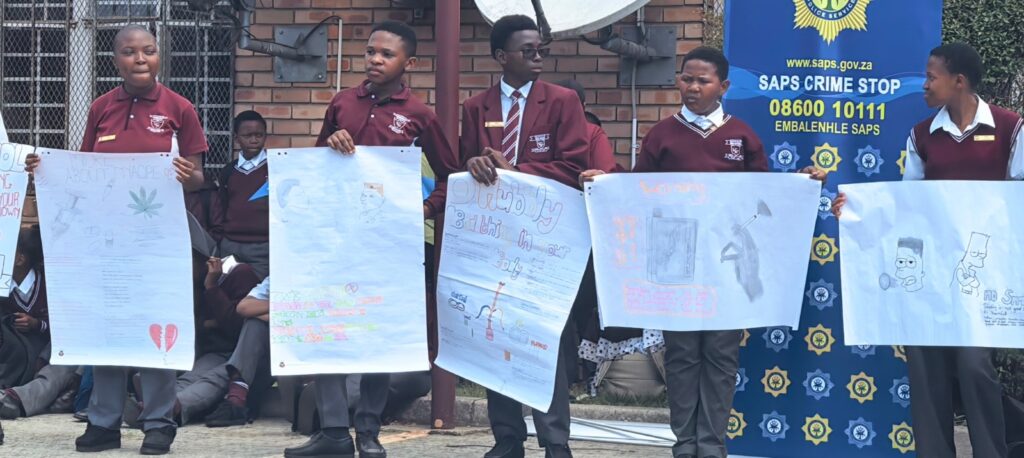
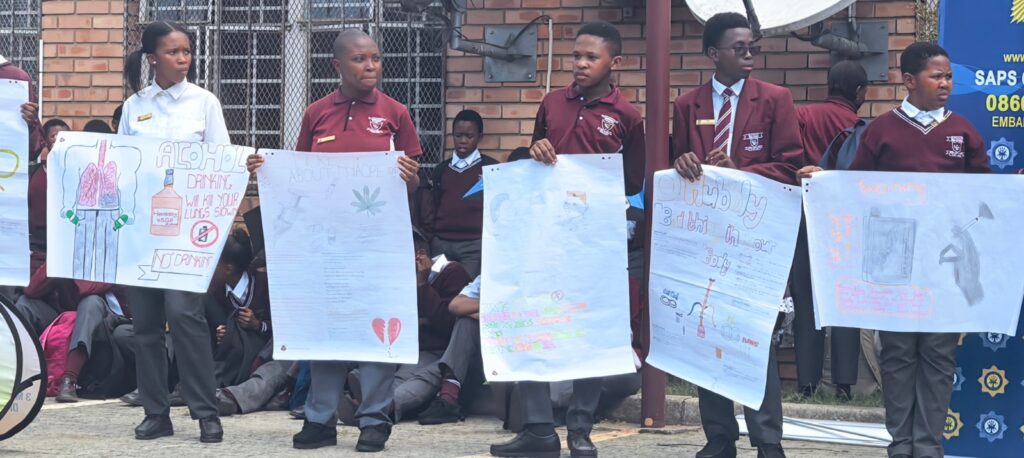
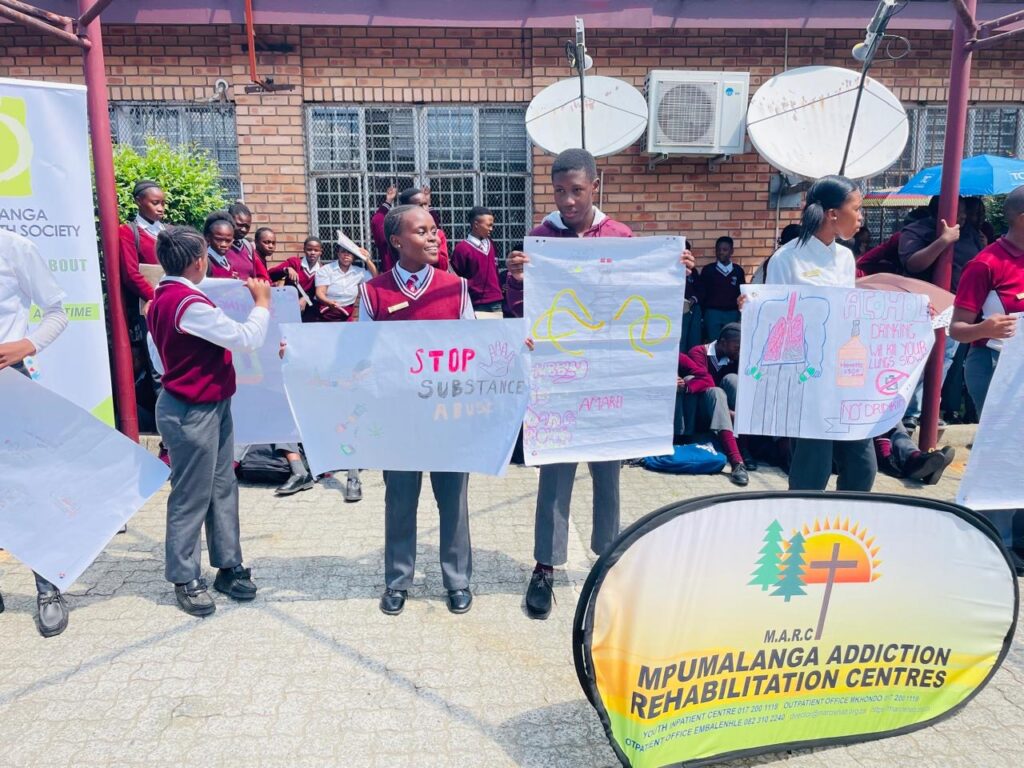
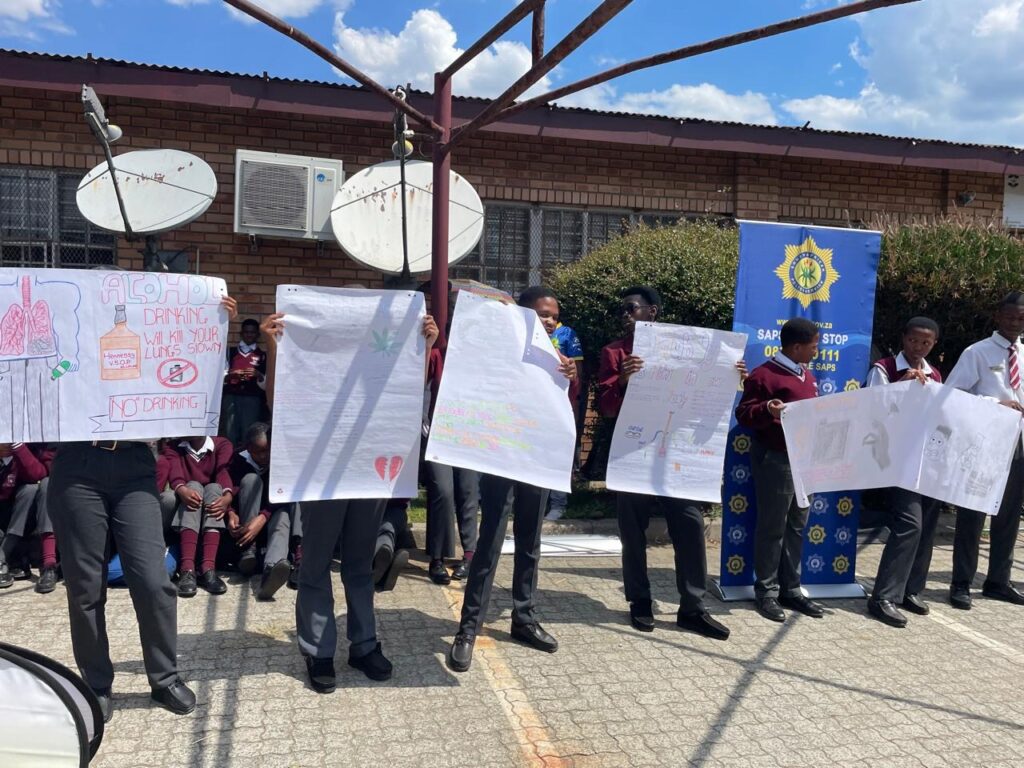
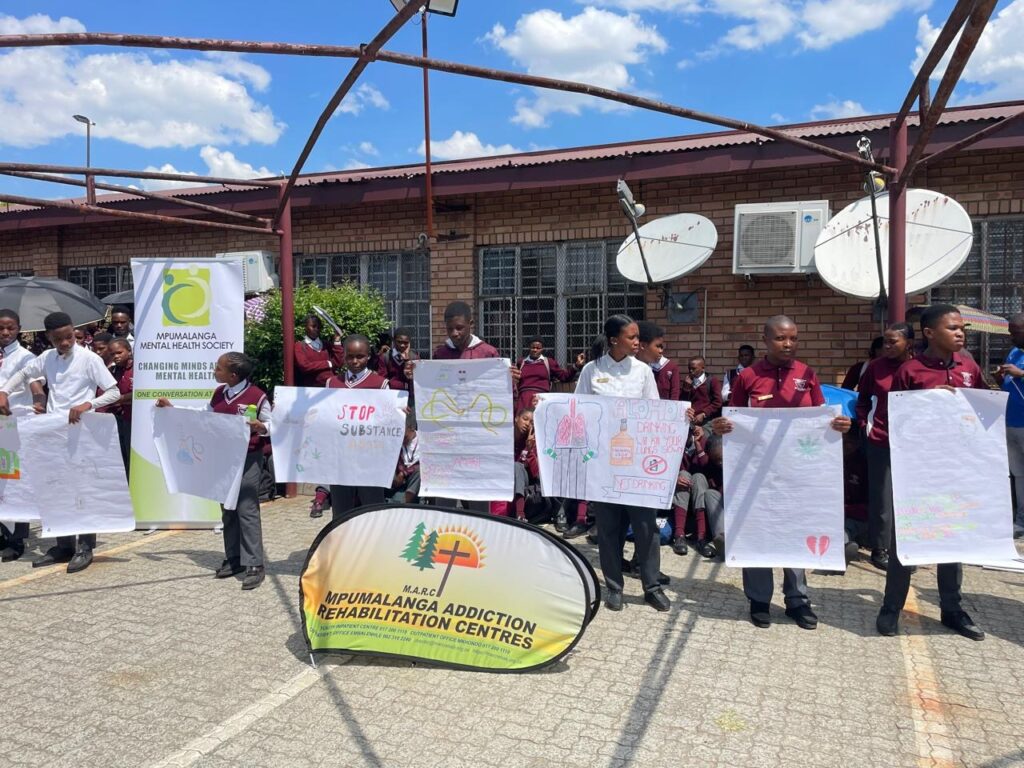
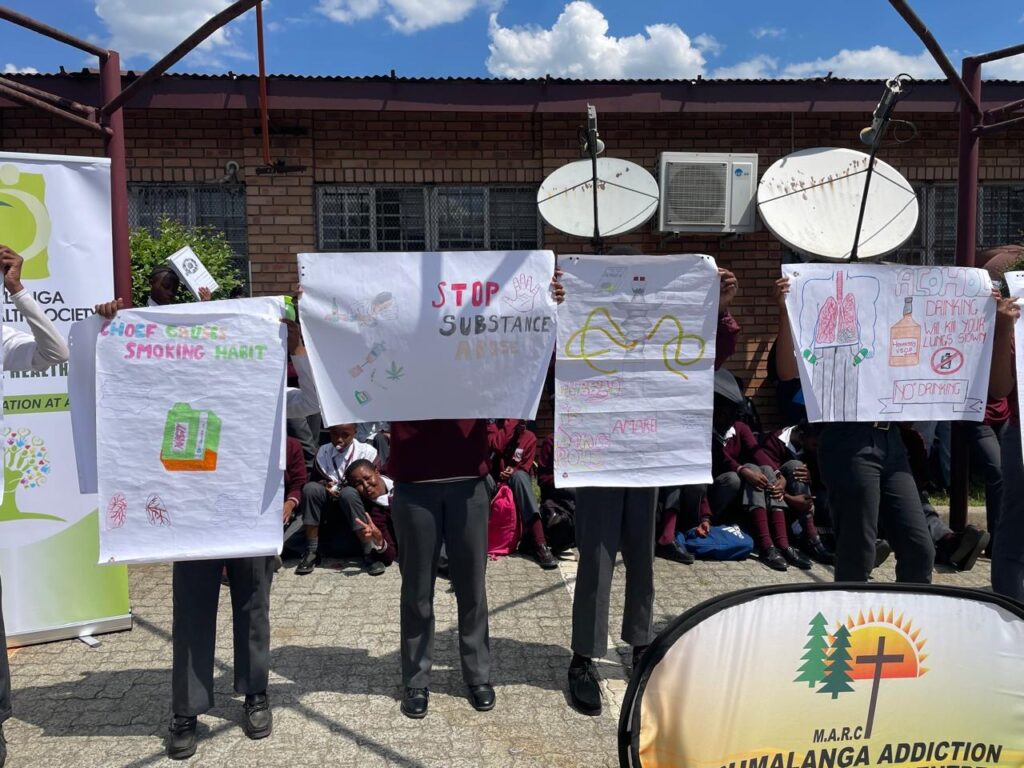
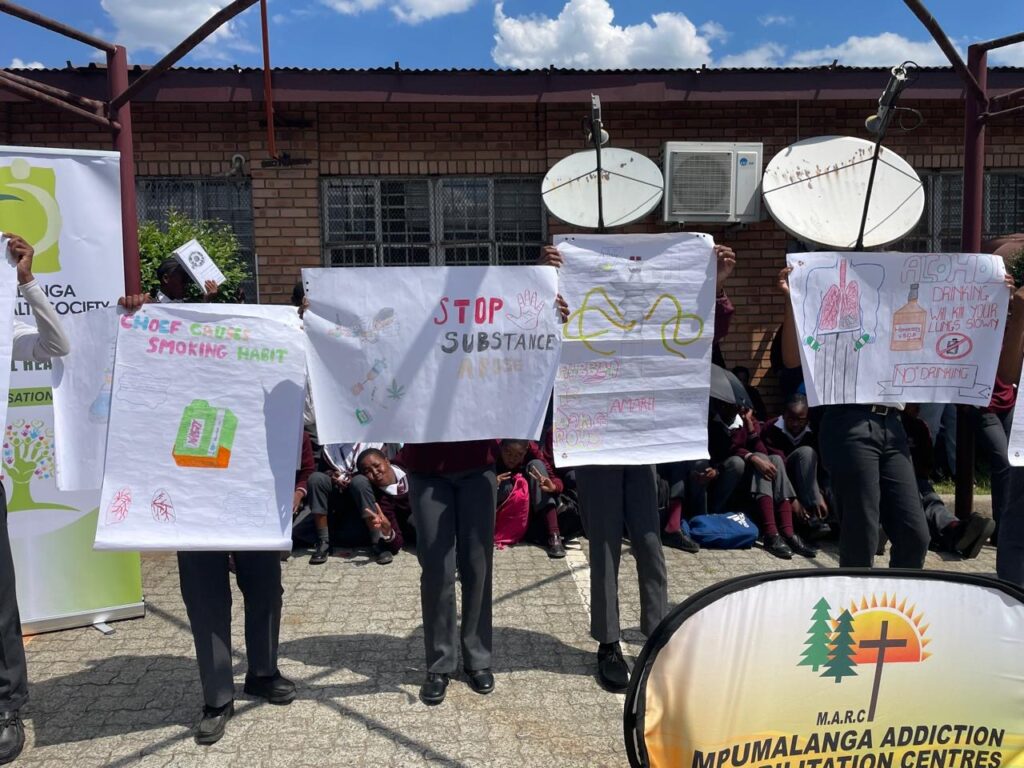
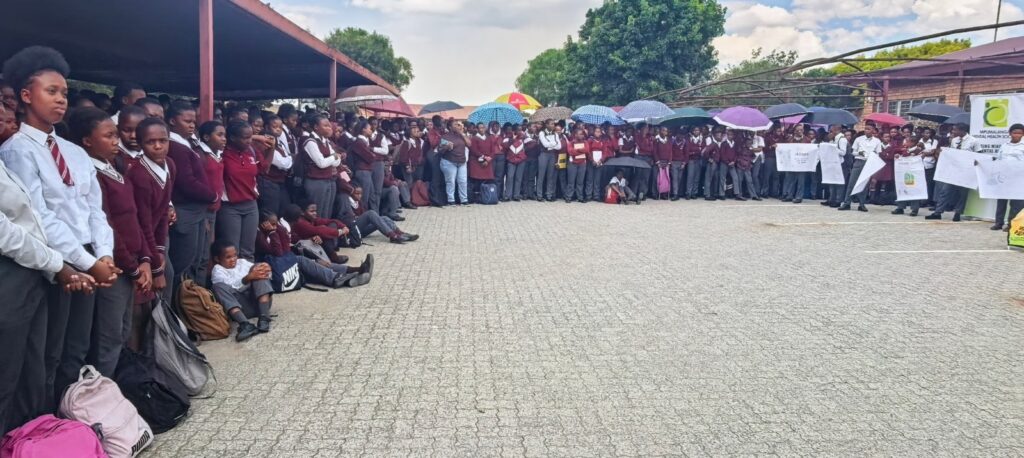
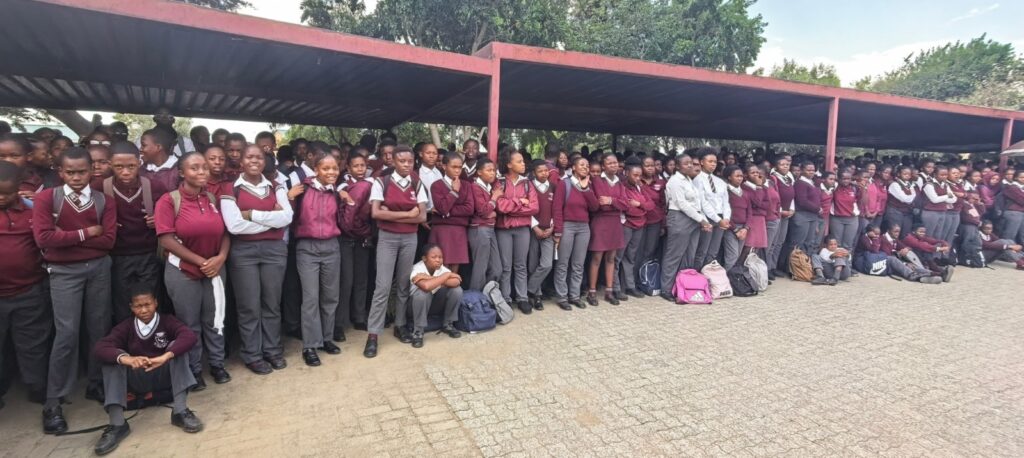
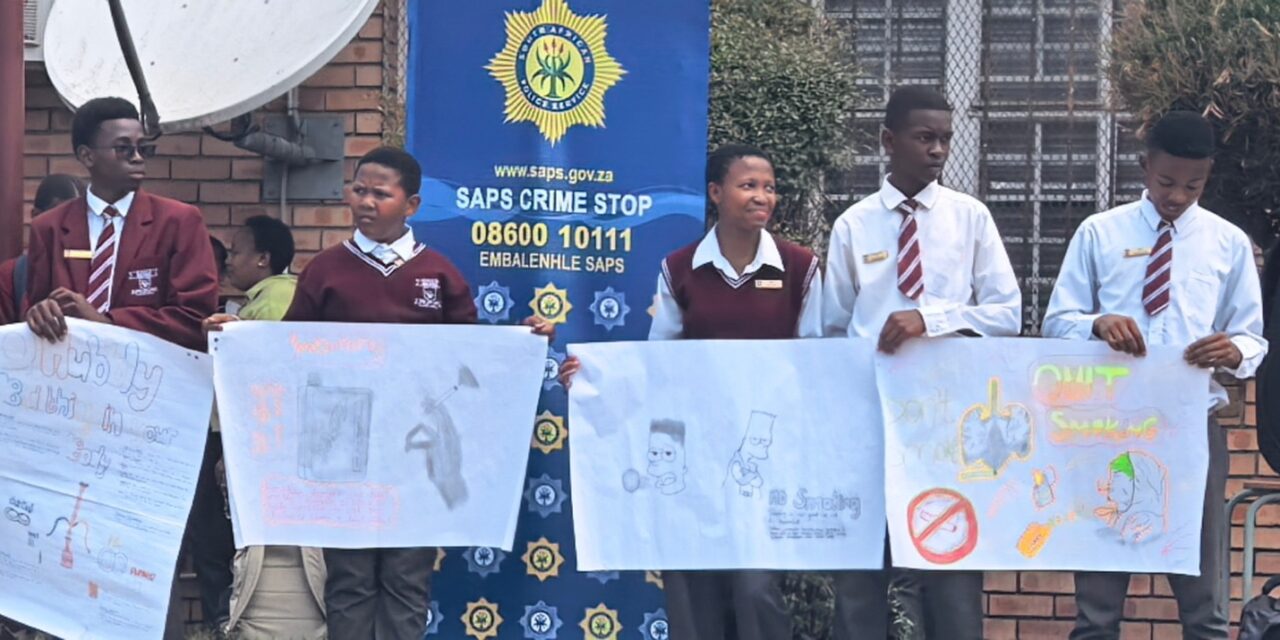
Sizwakele Secondary School in eMbalenhle marked its Substance Awareness Day with a powerful morning picket against substance abuse, followed by a series of impactful presentations during the school assembly on Thursday, 19 February 2026.
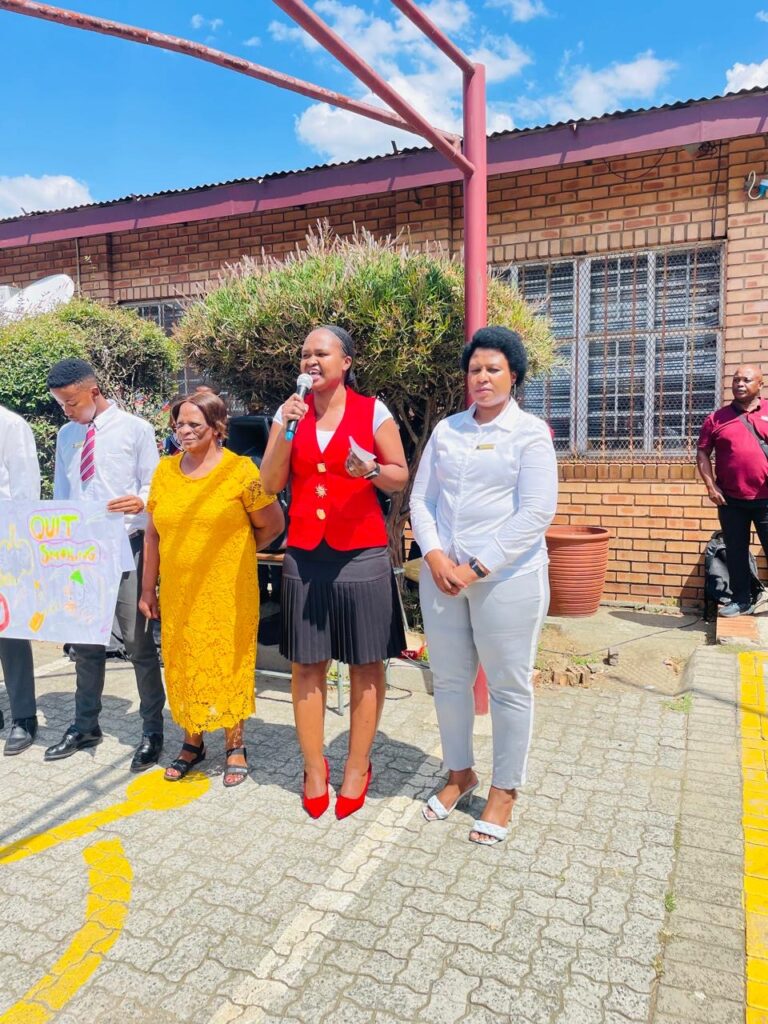
Constable Nomthandazo Masina of the South African Police Service (SAPS) opened the program, warning learners that substance abuse “changes a person’s behavior and often leads to criminal activity.” She explained that addicts may turn to stealing and robbery, which are actions that can result in arrest and a permanent criminal record, leading to outcomes that jeopardize any future career prospects.
Health professional Sister Nqobile Zondi from the Ext 4 Clinic detailed the physical toll of drugs, noting that they “destroy the lungs, liver and heart” and can trigger strokes. “The damage is not just short-term; it can be lifelong and irreversible,” she said.
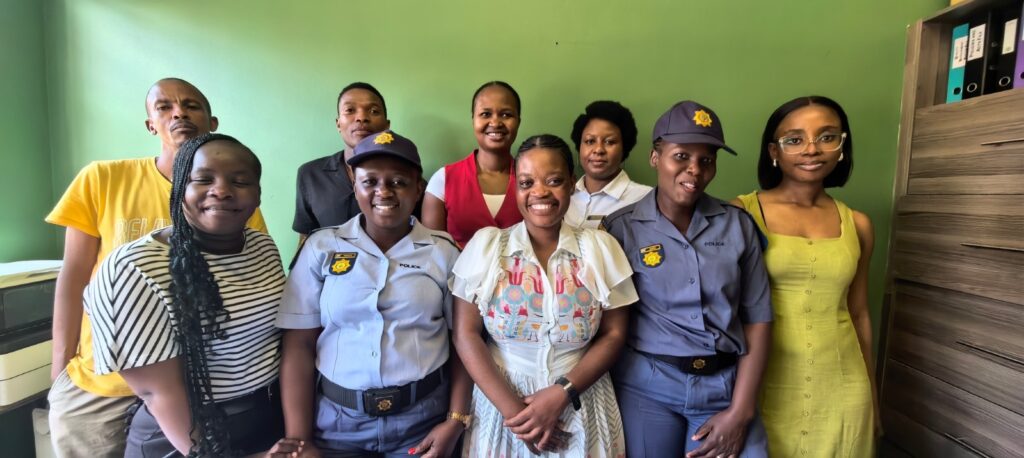
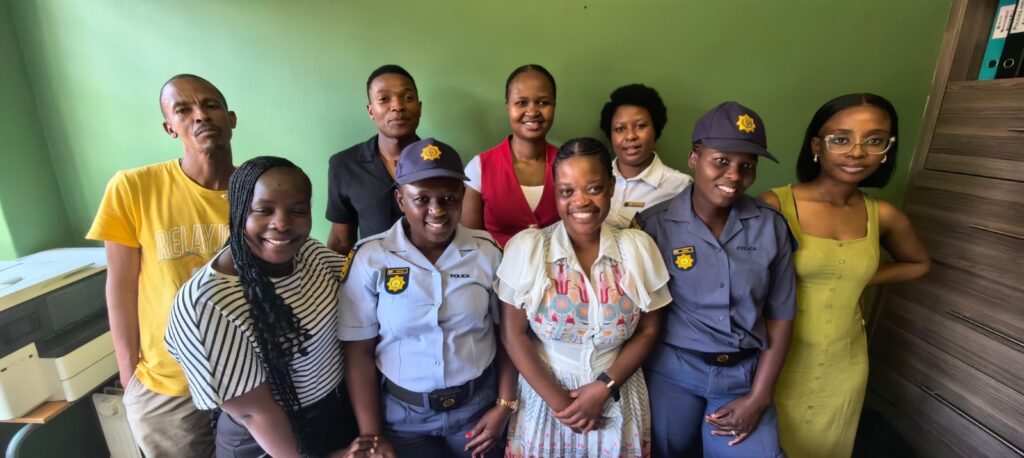
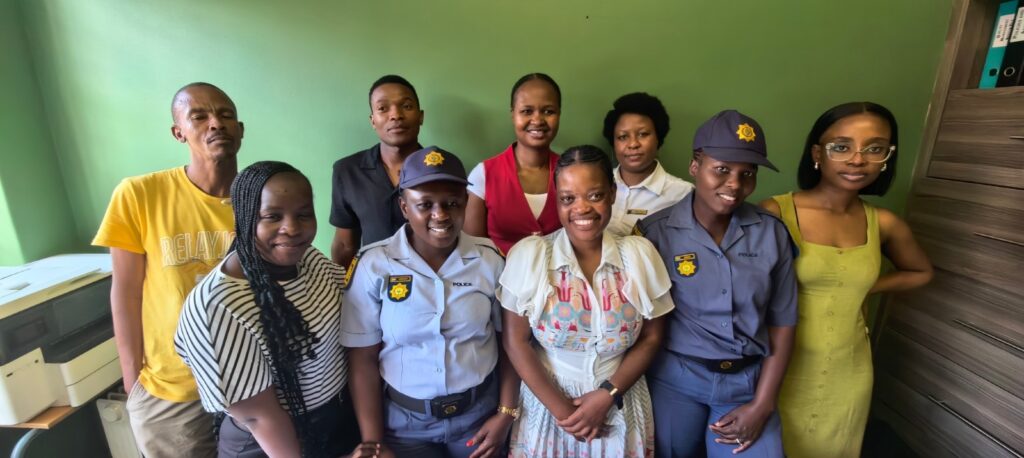
Representatives from the Mpumalanga Addiction and Rehabilitation Centre (MARC) and a team from the Mpumalanga Mental Health Society (MMHS) expanded on the social fallout. Ms. Mandisa Makhubela and Ms. Ngwenya from MMHS described how drugs affect the addict mentally, which results in families being torn apart, causing conflict, missing household items, and, in many cases, gender‑based violence. They added that teenagers often experiment with drugs to “fit in” or to mask low self‑confidence, mistakenly believing that substances will give them courage.
MARC’s Ms. Anele Mbatha urged students to seek help early. “Rehabilitation only works when the addict truly wants to change,” she said, outlining the step-by-step process of entering a program and emphasizing that learners can return to school after treatment. She warned against waiting too long, stressing that “the earlier the intervention, the better the chance of a full recovery.”
Nkosinathi, who is a recovering drug addict from MARC, shared his personal story of recovery from substance addiction, offering hope and encouragement to learners.
Mr. Ditshweu from the National Institute for Crime Prevention and the Reintegration of Offenders (NICRO) advised learners not to experiment with drugs, which often lead to criminal records. He explained that NICRO helps offenders through programmes that reintegrate them into society and provides social crime prevention, victim-offender mediation, community service, and youth empowerment programmes. He also mentioned that children who get into trouble with the law are often those who are involved with drugs.
Life coach/social worker Ms. Simphiwe Manana closed the event by thanking all speakers and highlighting the power of partnership. “When schools, parents, police, health services, social workers, and rehabilitation centers join forces, we create a safety net that can dramatically reduce substance abuse and improve our learners’ academic performance,” she noted.
The school’s safety committee is committed to organising regular events and workshops aimed at eradicating substance abuse, thereby fostering a healthier and safer learning environment that benefits all learners. The school will also be implementing targeted counseling sessions to address the root causes of substance abuse, enhancing the overall well-being and academic performance.
The day’s activities left learners with a clear message: substance abuse harms the body, mind, family, and future, but help is available.