11 June 2026
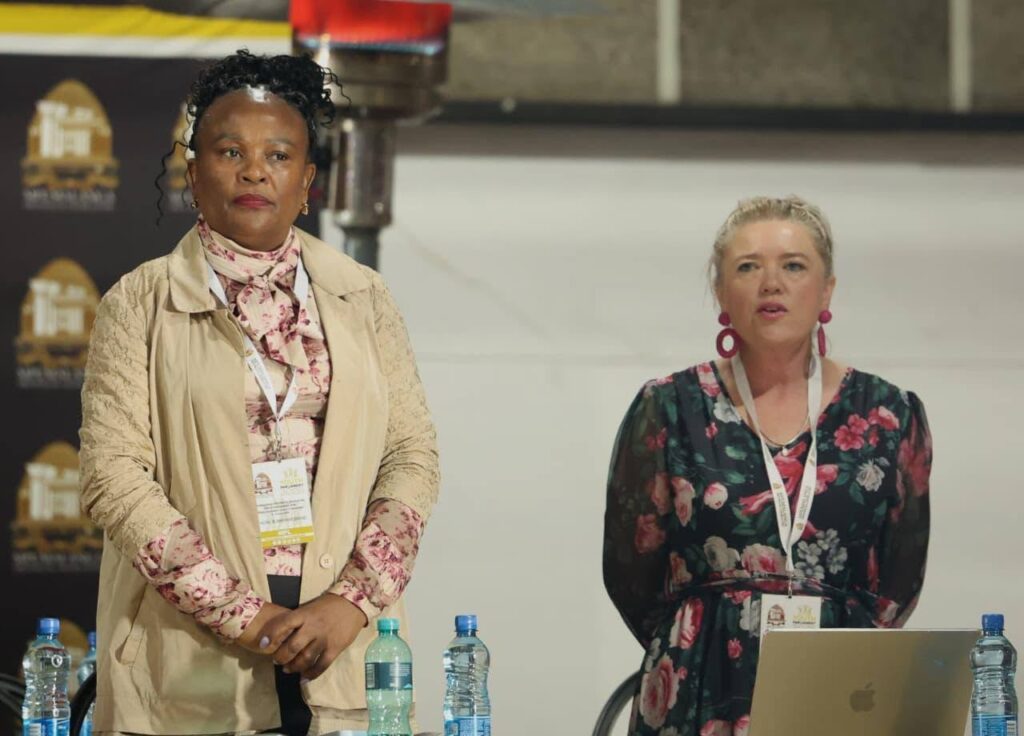
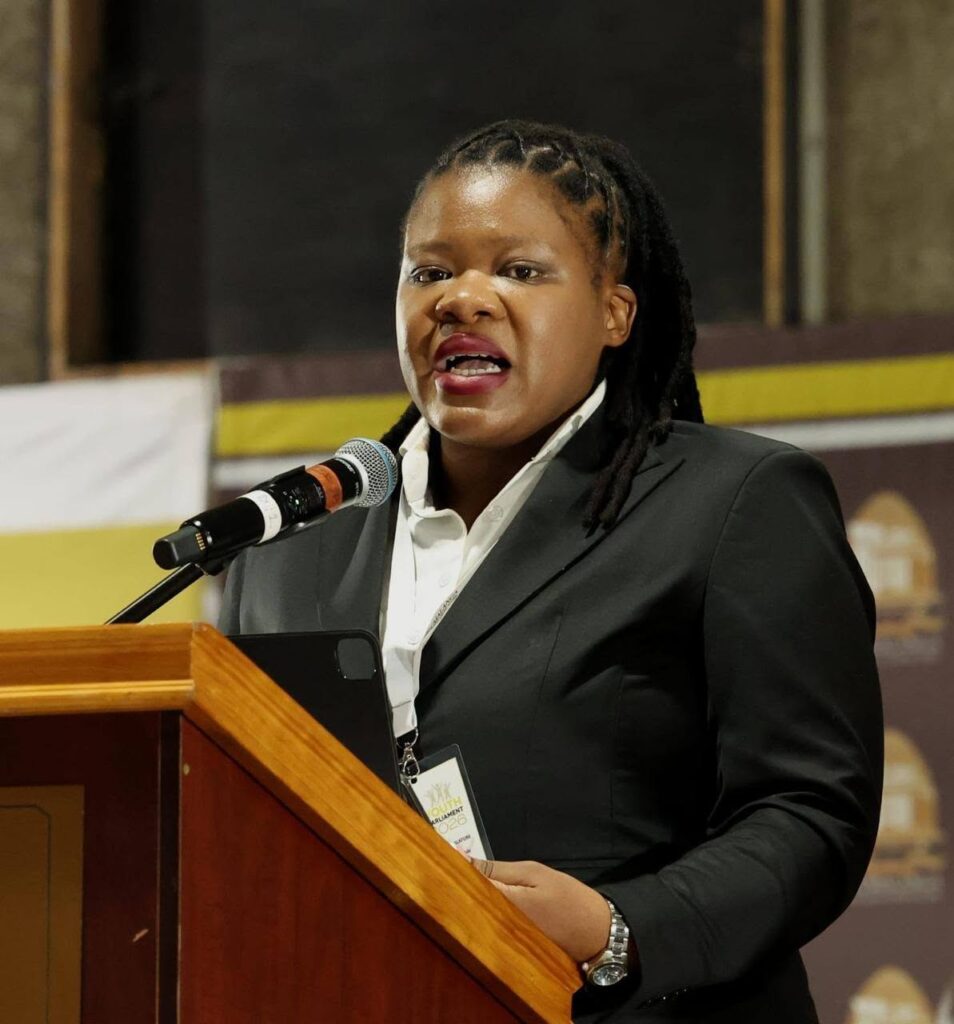
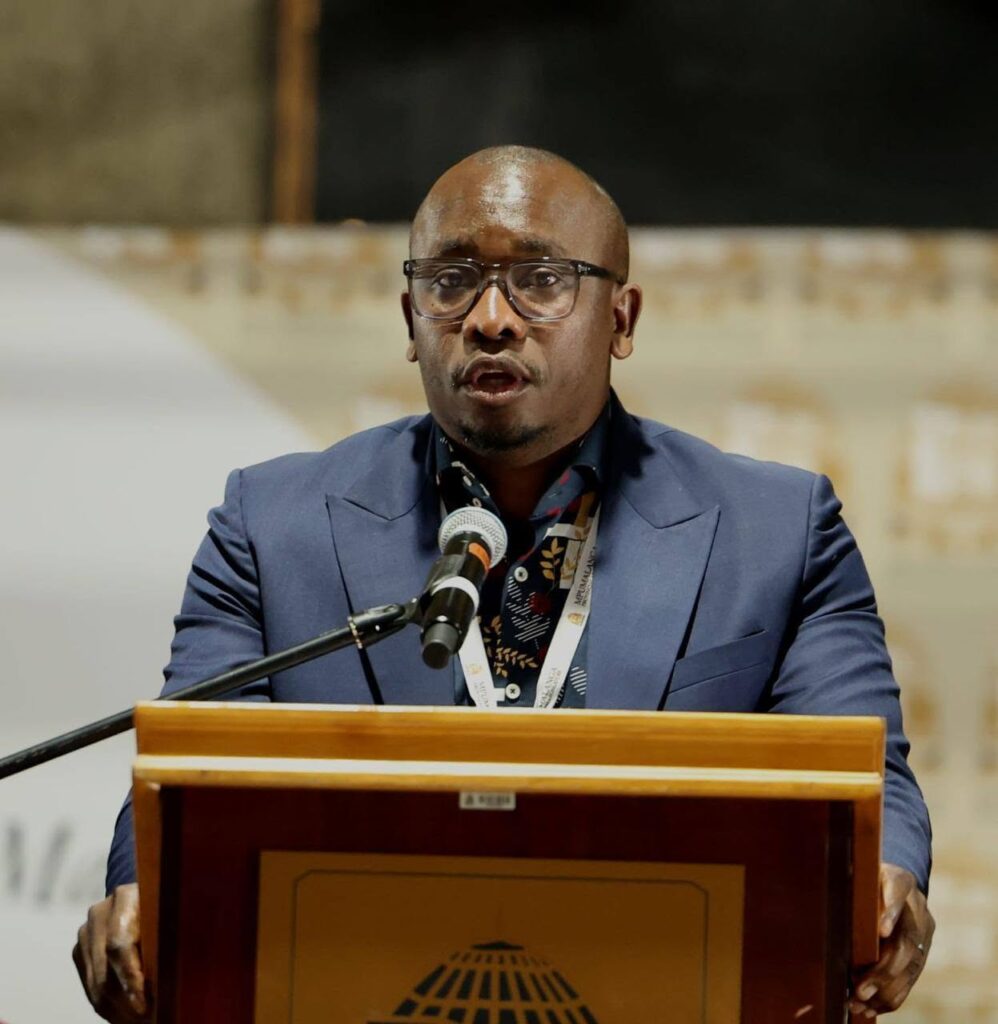
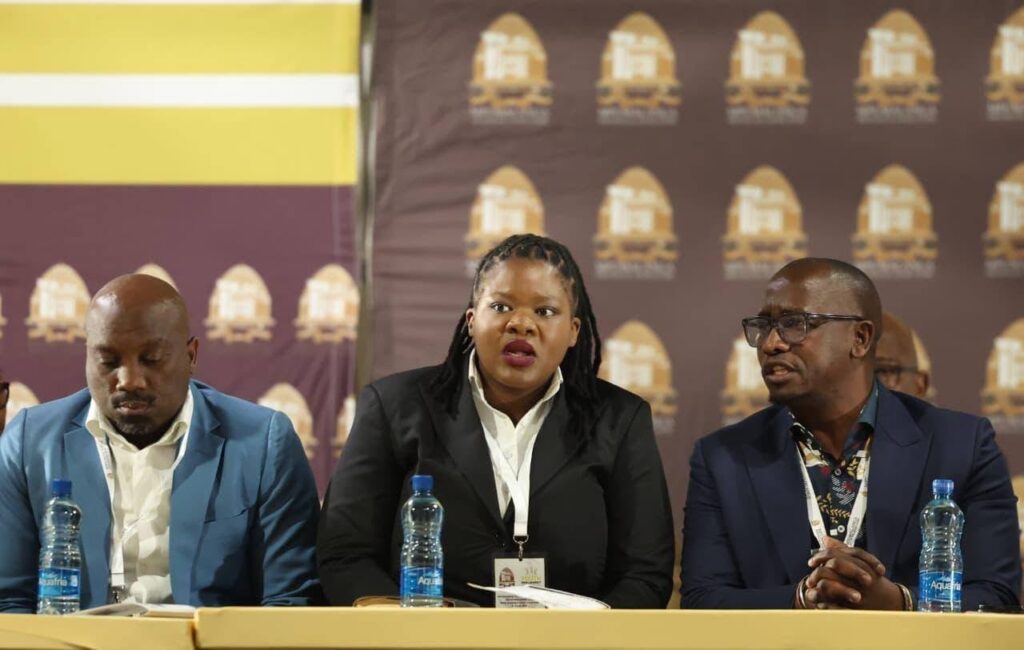
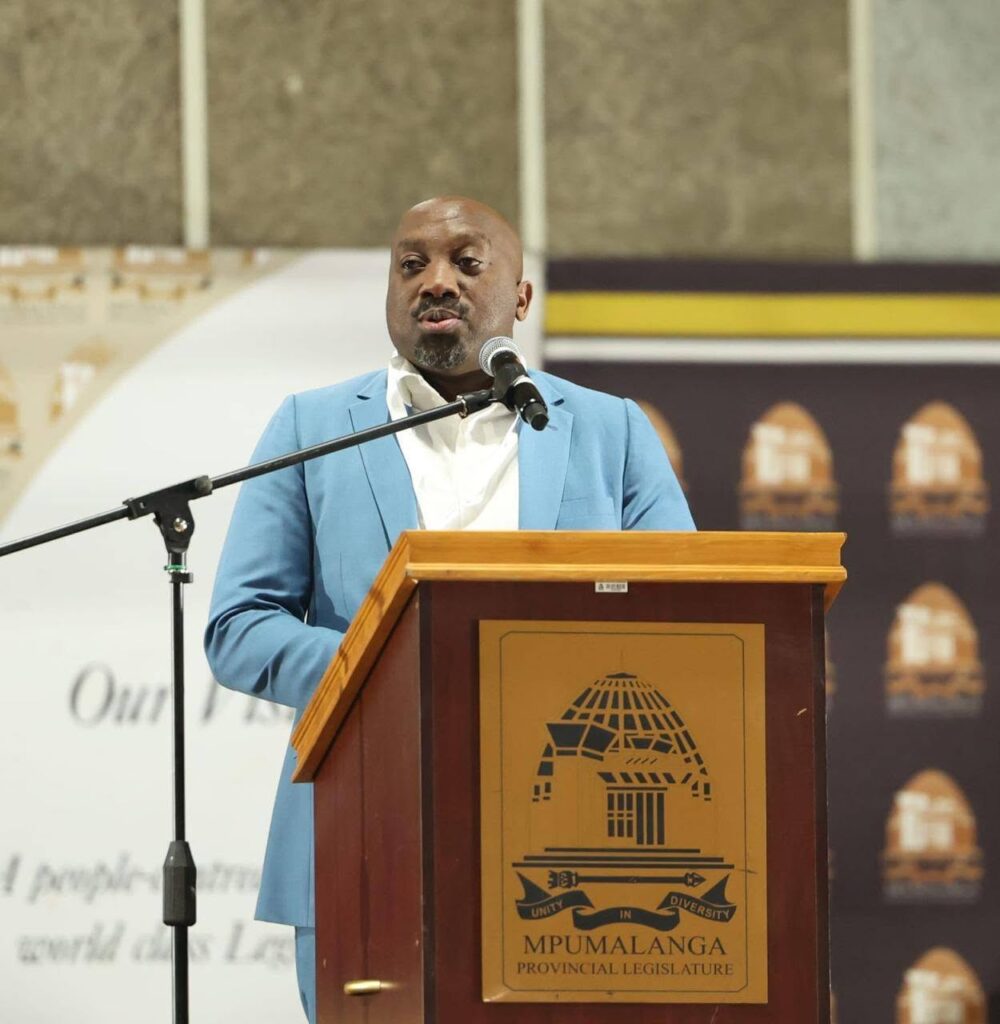
On Tuesday, 09 June 2026, the Mpumalanga Provincial Legislature successfully hosted the 2026 Youth Parliament at the Sasol Recreational Centre in Embalenhle.
The engagement forms part of the Legislature’s ongoing commitment to fulfilling its constitutional mandate of law-making, oversight and public participation, while strengthening meaningful youth participation in democratic processes.
The Youth Parliament brought together young people from across Mpumalanga, providing a critical platform for dialogue on governance, socio-economic development, and youth empowerment.
The event reaffirmed the importance of ensuring that young people are not only participants in democracy but also active contributors to shaping policy and development priorities.
In his welcoming remarks, the Executive Mayor of the Govan Mbeki Local Municipality, Mr Nhlakanipho Zuma, encouraged young people to participate actively, constructively, and with confidence in democratic processes. He urged the youth to rise above challenges, take up space in leadership structures, and contribute positively to the development of their communities.
The Acting Speaker of the Provincial Legislature, Mr Sam Masango, delivered a powerful address reflecting on the legacy of the 1976 youth generation, noting that “half a century since the youth of 1976 declared that enough is enough, today’s young people must continue the struggle now focused on economic liberation.” He emphasized that the Youth Parliament platform highlights the urgent need to address youth unemployment, economic exclusion, and social challenges.
He further outlined key priorities including a mandatory youth health budget assessment, integrated HIV and AIDS literacy programmes, and the convening of a Provincial Youth Health Summit before the end of 2026.
He stressed the importance of reducing new infections among young people and encouraged regular health screening and awareness. He also called for expanded access to coordinated youth economic programmes, including job funds, skills development in the green economy, solar energy, recycling, biodiversity, construction, mining, agriculture, tourism, and digital infrastructure.
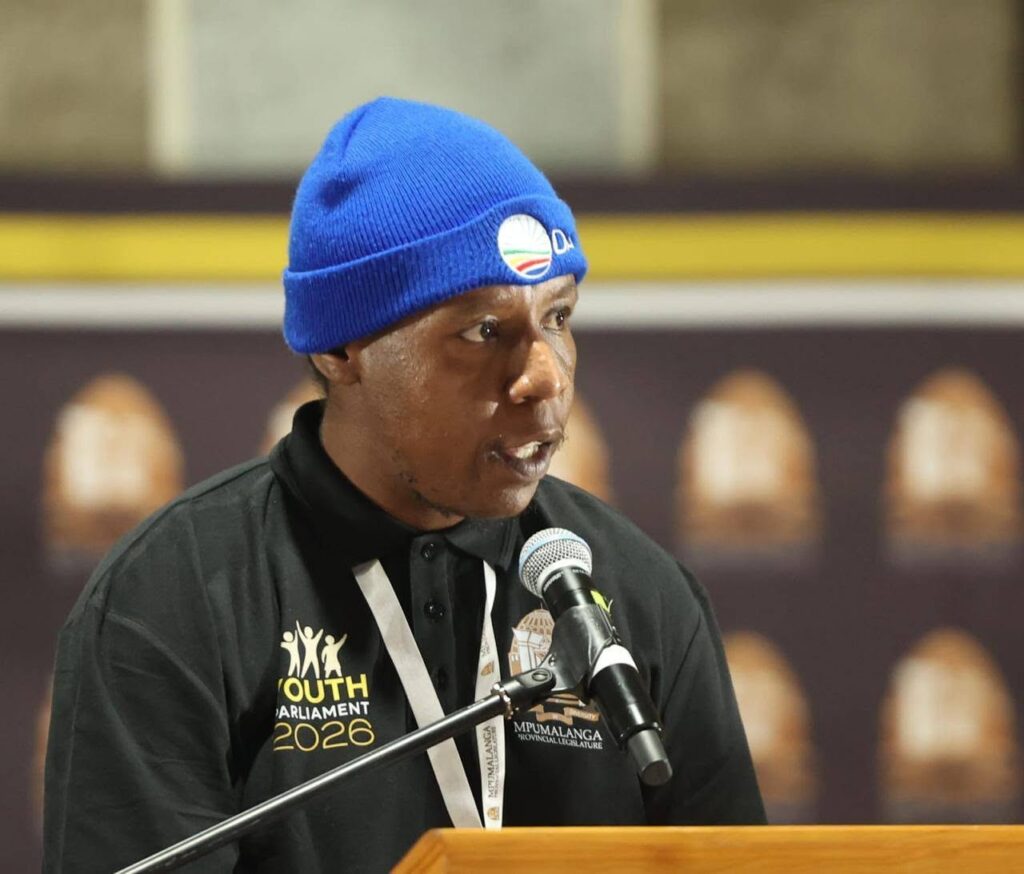
Youth representatives of political parties represented in the Legislature also delivered messages of support, acknowledging the value of the Youth Parliament as a platform for engagement.
They highlighted concerns raised by young people from the communities they represent, including unemployment, gender-based violence, unequal access to economic opportunities, and the mismatch between education outcomes and job availability.
Delegates emphasized that the lived realities of young people must be reflected in policy development and implementation and that government must respond decisively to their concerns.
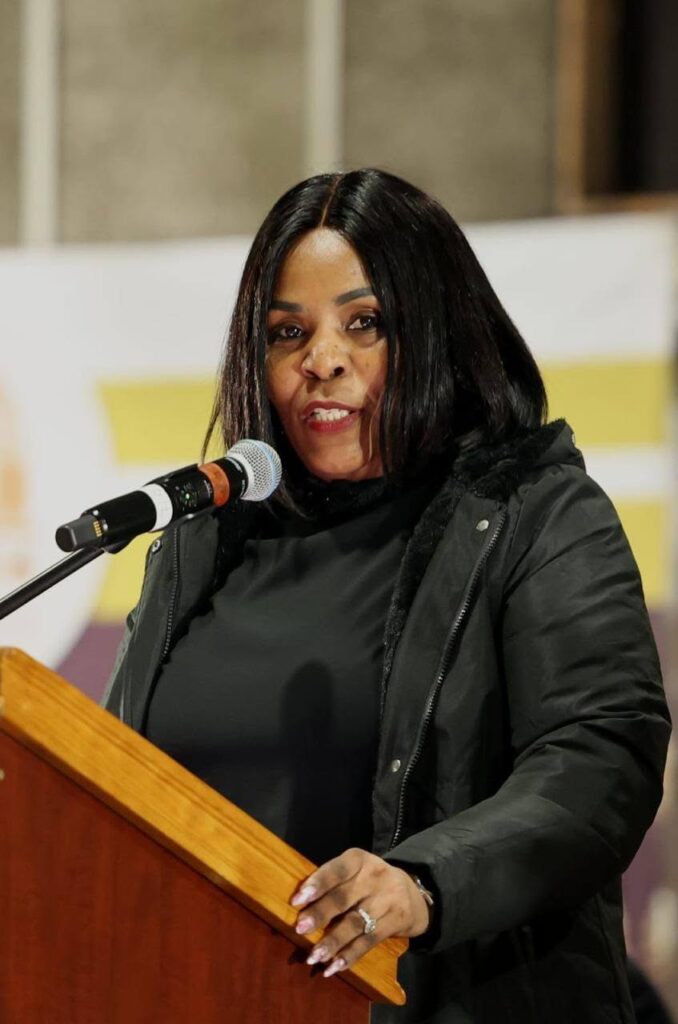
The Acting Premier, Ms Khethiwe Moeketsi, reaffirmed government’s commitment to placing young people at the centre of the development agenda. She stated that “the baton has been passed on to a new generation,” and emphasized the need for expanded access to education, skills development, and economic opportunities. She further highlighted that no child should be denied access to education due to socio-economic background.
She also announced a Memorandum of Understanding between the Provincial Government and the University of Mpumalanga aimed at unlocking opportunities in artificial intelligence, research, and agricultural innovation. She further encouraged young leaders to promote peace, reject violence, and actively participate in democratic processes while embracing entrepreneurship and innovation.
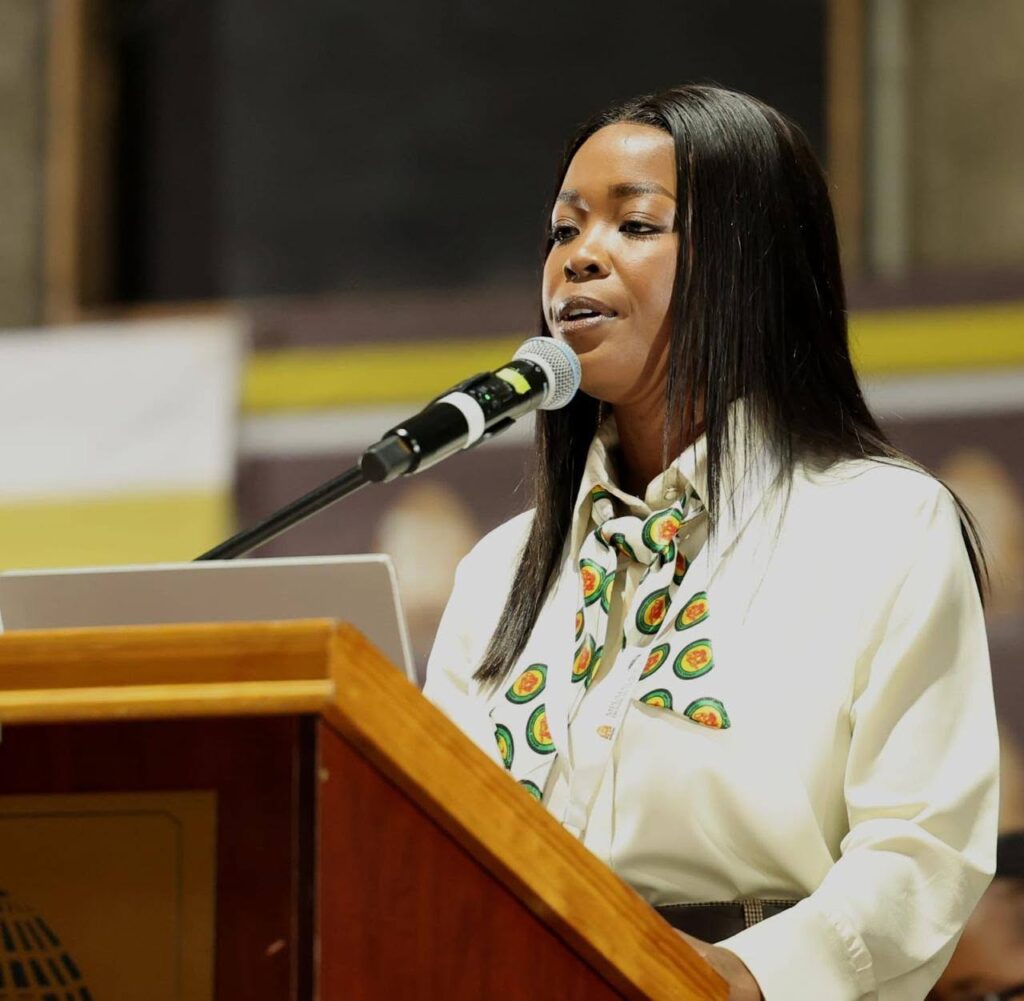
The Deputy Minister in the Presidency, Ms Nonceba Mhlauli, delivered the keynote address, reflecting on the courage of the June 16 generation and its transformative impact on South Africa’s democracy. She emphasized that the strength of democracy depends not only on elections but on continuous citizen participation and accountability. She urged young people to reject silence in the face of injustice and to actively shape policies through engagement, advocacy, and leadership.
She further highlighted interventions aimed at addressing youth unemployment, improving digital education, and strengthening innovation in schools through coding and robotics. She also emphasized the importance of industrializing the agricultural sector, expanding youth recruitment programmes, and promoting ethical leadership and sustainable development.
Various government departments presented progress reports and commitments focused on youth development, employment creation, and improved service delivery across Mpumalanga.
Overall, the departmental presentations reflected a coordinated government approach focused on youth employment, skills development, education transformation, health interventions, and economic inclusion.
While progress was noted, presenters also acknowledged ongoing challenges such as unemployment, infrastructure gaps, inequality in access to opportunities, and the need for stronger coordination and accountability mechanisms.
The reports from commissions highlighted progress in infrastructure development, including the planned construction of a Gert Sibande TVET College campus in Mkhondo. However, concerns were raised regarding inadequate sports infrastructure in Gert Sibande and Nkangala, recruitment fairness, exploitation of young people in the private sector, and the need for stronger monitoring systems to ensure equitable access to economic opportunities.
Additional concerns included youth unemployment, lack of transparency in recruitment processes, and limited access to funding for youth-owned enterprises.
Delegates called for the establishment of stronger youth oversight structures, including youth commissions and youth chambers, to ensure accountability and alignment of government programmes with youth needs. They also emphasized the importance of civic education, voter awareness, and improved communication regarding electoral processes.
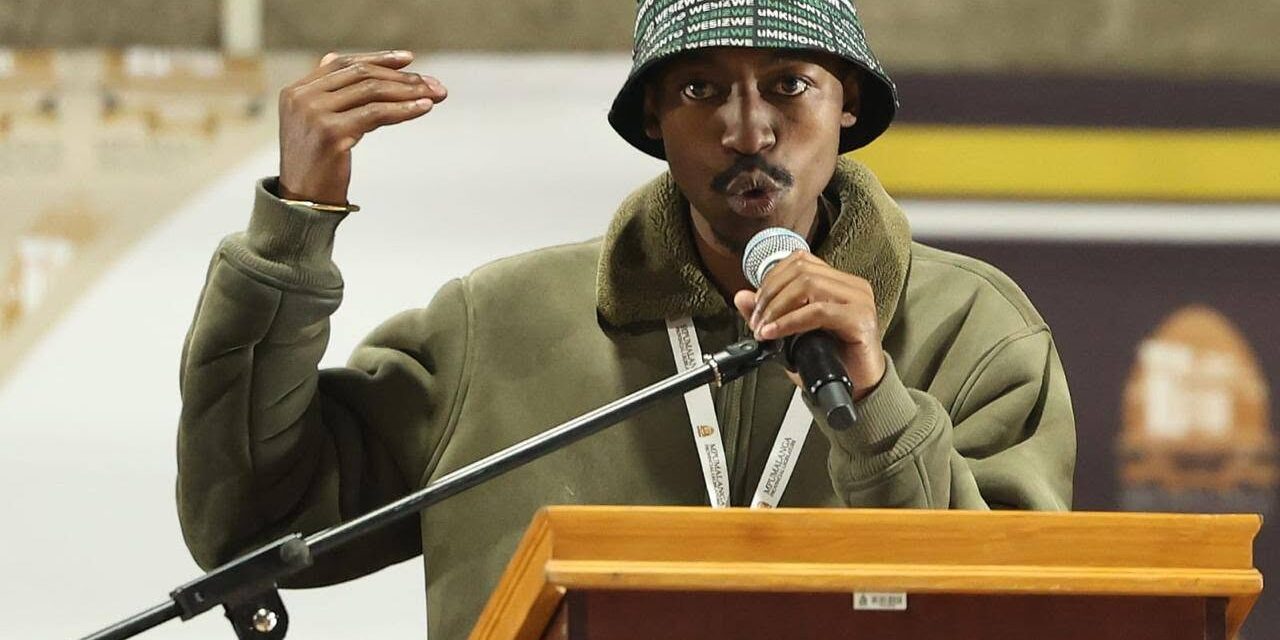
In his concluding remarks, Mr Teboho Sekaledi reflected on the realities facing young people in Mpumalanga, emphasizing that youth must take responsibility for shaping solutions, building resilient communities, and actively contributing to development.
He encouraged young people to equip themselves with the skills and knowledge to become drivers of change in their communities.
The 2026 Youth Parliament reaffirmed a shared commitment between government and young people to build a more inclusive, equitable, and economically empowered society. It underscored the urgent need for continued collaboration, accountability, and innovation to ensure that young people are fully integrated into Mpumalanga’s social, political, and economic development.